

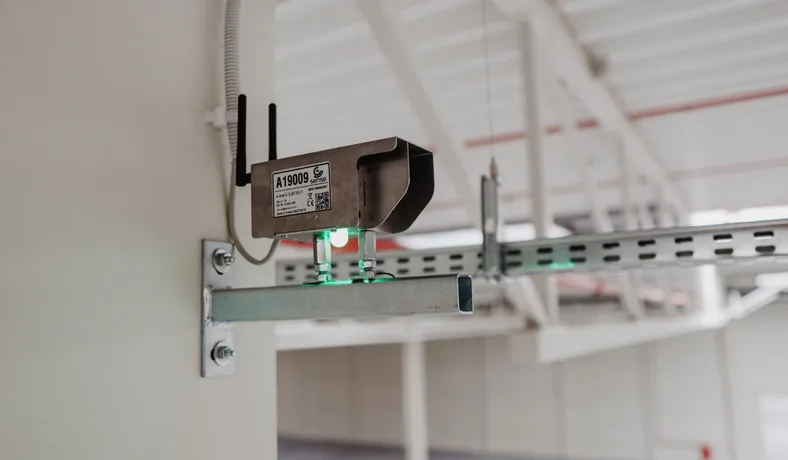
S-One
Measures how much your roof structure deflects under snow and rain load, around the clock.
Measures how much your roof structure deflects under snow and rain load, around the clock.
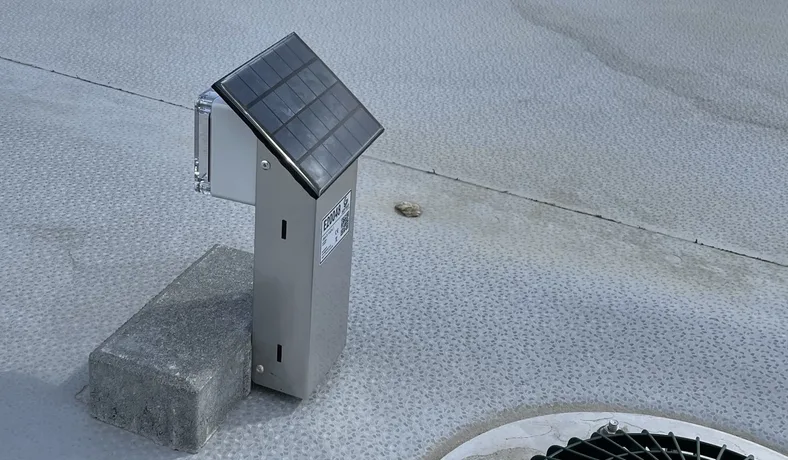
Measures ponding water next to your roof drains, every minute, so you know when a drain stops keeping up.
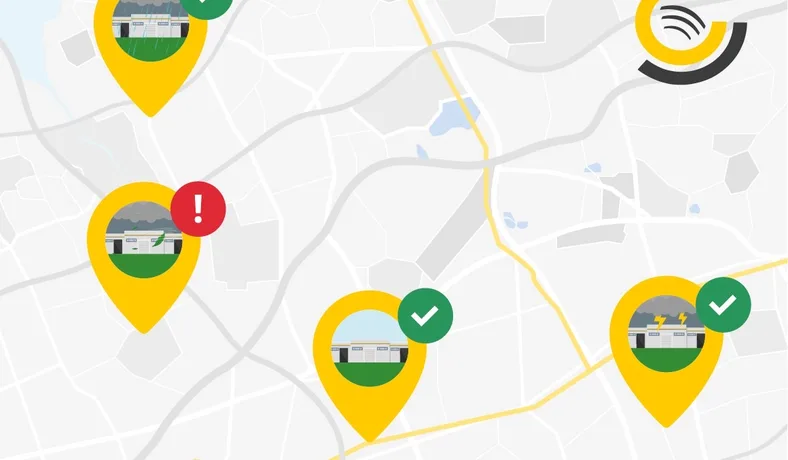
One place for every roof you manage, with live readings, alerts and weather warnings.
A module of the Smart Roofs Platform
The platform compares 48-hour and 7-day forecasts from OpenWeather, which covers locations across the United States, with the design parameters of your building. If it sees a risk, you get an alert in advance, with tips on how to protect the roof. It works without any sensors on the roof.
From the roof to your team's phones in four steps, on every building you manage.
Step 1
S-One measures deflection every 3 minutes. DSW measures the water at the drains every 60 seconds.
Step 2
S-One sends over a self-healing wireless mesh, DSW over LoRaWAN. The DSW gateway connects through its own cellular modem, not the building's network.
Step 3
The Smart Roofs Platform analyzes the readings 24/7 against the thresholds set for each measuring point, and adds weather forecasts.
Step 4
SMS, email and app notifications when a threshold is crossed, and a history of every snowfall and rainstorm.
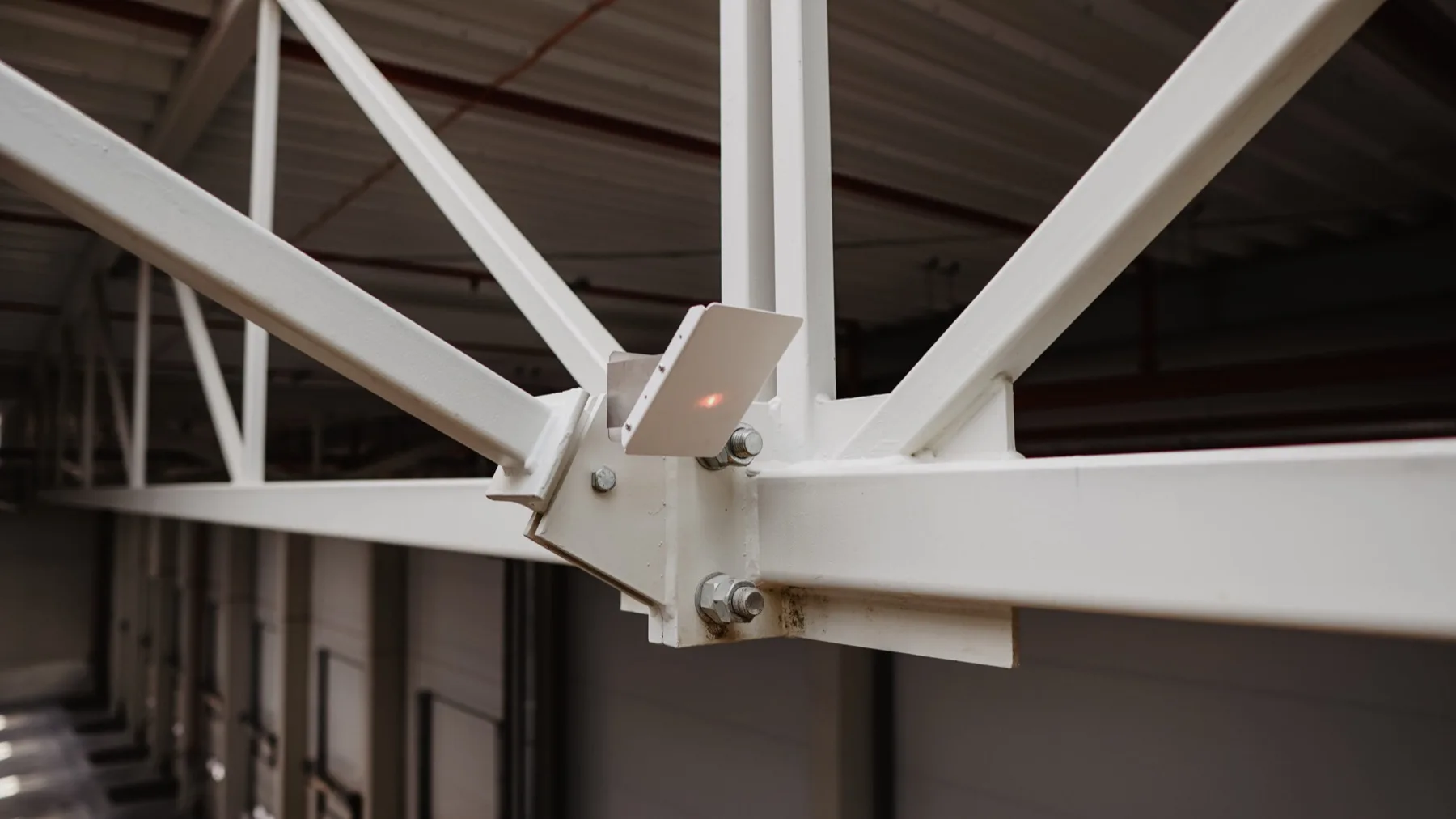
Sense has its own structural engineers, and its CCO and co-founder is a civil engineer licensed in Poland.
Our engineers analyze the structural design documentation and decide how many sensors a roof needs and where they go.
Alert levels come from the allowable deflection in the building's design, confirmed with its designer. Without documentation, a structural assessment comes first.
In Europe, the same team prepares snow-removal plans, roof load-capacity assessments and drainage audits.